
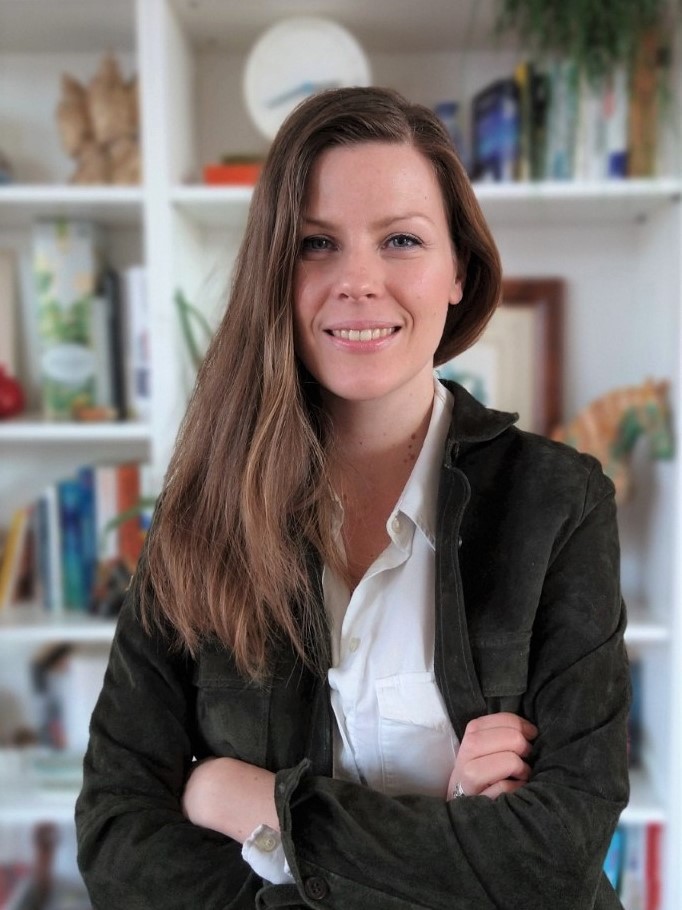
Charlotte Cecil, PhD
Lab Director
Charlotte is an Associate Professor within the Department of Child and Adolescent Psychiatry & the Department of Epidemiology at Erasmus Medical Centre, Rotterdam, the Netherlands. Charlotte trained as a developmental psychopathologist specializing in child behavioural problems, obtaining first a BSc in Psychology at Royal Holloway, University of London (2004-2007) and then an MSc in Forensic Psychology at University of Surrey (2007-2008). In 2013, she completed a PhD at University College London, where she examined the impact of childhood trauma on youth cognitive, emotional and behavioural functioning. Through this work, Charlotte became increasingly interested in understanding how early life experiences ‘get under the skin’ at a biological level, influencing risk of developing psychiatric problems later in life. As a result, she moved into the field of biological psychiatry during her time as a postdoctoral researcher (2013-2015) and research fellow (2016-2018) based at King’s College London, working with high-risk samples as well as epidemiological birth-cohorts to study the role of epigenetics and other biological factors in child mental health. Since 2018, Charlotte leads the Biological Psychopathology research line of the Generation R Study, an ongoing epidemiological birth cohort of nearly 10,000 children born in Rotterdam, followed from pregnancy to adolescence, and one of the largest studies in the world with longitudinal epigenetic and neurodevelopmental data across childhood. In addition, Charlotte is the co-founder of the Methylation, Imaging and NeuroDevelopment (MIND) consortium, and works closely with multiple other consortia as Chair (e.g. ENIGMA-Antisocial Behavior; EarlyCause) and contributor (e.g. PACE, EAGLE, PGC-ADHD). Charlotte has received multiple personal grants to fund her research, including a UK Economic and Social Research Council Future Research Leaders Fellowship, a European Marie Skłodowska-Curie Leading Fellows award, and most recently a European Research Council (ERC) Starting Grant. In addition, she contributes to a range of internationally funded collaborative projects, including multiple European Horizon grants as Work Package Leader (EarlyCause, FAMILY, HappyMums). The originality and impact of her research has been recognized by several prizes, including awards by the European Psychiatric Association, the Royal Society of Medicine, and Nature Research.
Postdoctoral research fellows & Contributors
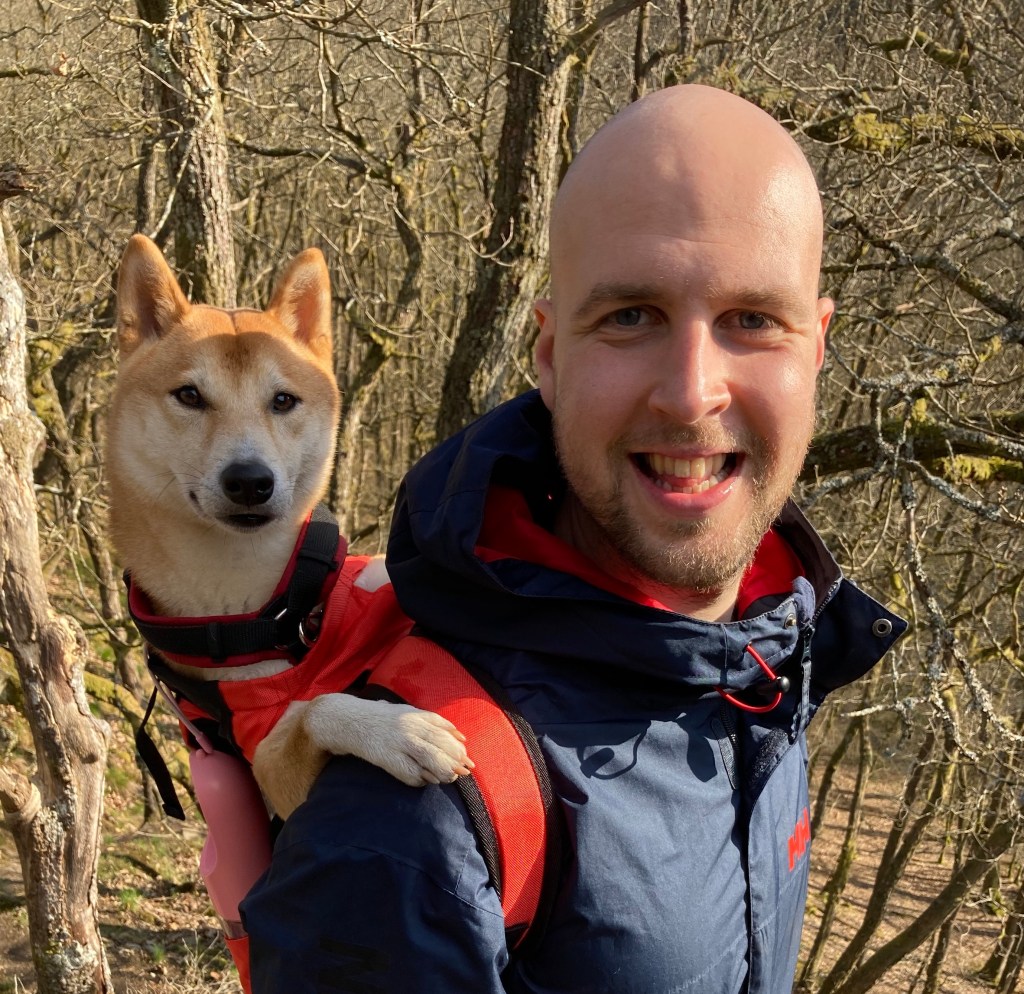
Alexander Neumann, PhD
Assistant Professor
Alex is as a postdoctoral researcher studying the (epi-)genetics of psychiatric and neurological disorders. His current focus is on the role of epigenetic processes (DNA methylation, microRNAs) in child development and mental health, how these association vary over time, and whether they can help explain the intergenerational transmission of psychiatric problems from parents to offspring. Previously, Alex studied the genetics of Alzheimer’s disease and related biomarkers at the Kristel Sleegers Lab at the VIB-UAntwerp Center for Molecular Neurology, in particular rare variants, the transcriptome, X-chromosome and sex differences in Alzheimer’s disease. Alex completed his PhD in 2019 at the Erasmus MC. His PhD focused on the co-occurrence of internalizing, externalizing and other psychiatric problems, the construction of a multi-informant general psychopathology factor, and identification of genetic and neural determinants of this general factor.
Contact: a.neumann (at) erasmusmc.nl

Rosa Mulder, PhD
Postdoctoral research fellow
Rosa works as a postdoctoral researcher and is interested in how early life stress can get ‘under the skin’. Having a background in Neurobiology as well as Psychology, she is specifically interested how genes and the environment act together on biological pathways to affect mental health. During her PhD, she mainly focused epigenetic pathways, studying how our epigenome changes throughout life and its associations with stress. For this, she examined both the children of Generation R at the Erasmus MC as well as the children of the Avon Longitudinal Study of Pregnancy and Childhood at Bristol University. Currently, she takes a multi-omic approach, studying how genes and stress may affect our epigenome, our gut (microbiome), and our brain.
Contact: r.mulder (at) erasmusmc.nl
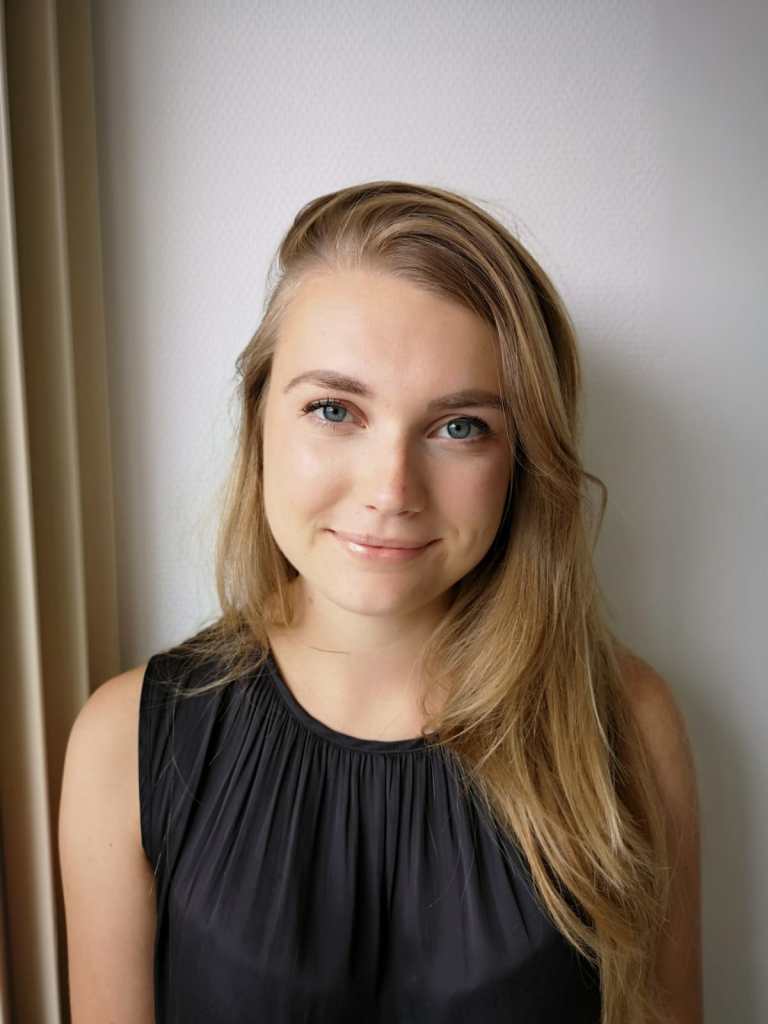
Isabel Schuurmans, PhD
Postdoctoral research fellow
Isabel Schuurmans is a postdoctoral researcher at the Department of Child and Adolescent Psychiatry, with a background in psychology, neuroscience and psychiatric epidemiology. Previously, Isabel pursued a PhD focusing on the determinants for brain health across the life course at the Department of Epidemiology at Erasmus MC. In her current work, Isabel focuses on uncovering the biological factors underlying adverse child outcomes. She is particularly interested in factors such as brain development, epigenetics, and the gut microbiome; and in examining how these factors interact and evolve over time to shape an individual’s susceptibility to mental health problems.
Contact: i.schuurmans (at) erasmusmc.nl
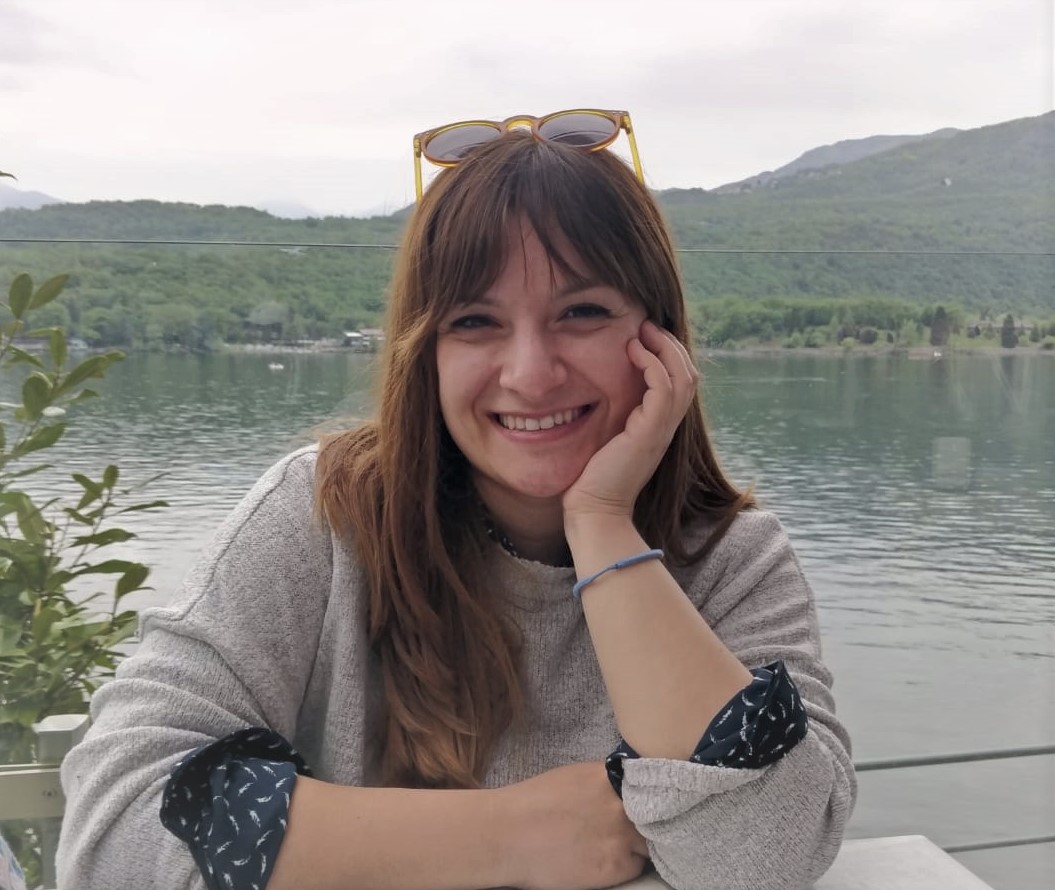
Elena Isaevska, PhD
Postdoctoral research fellow
Elena is a postdoctoral researcher at the Department of Child and Adolescent Psychiatry with a background in medicine, epidemiology and (epi)genetics. Her main research interests are on prenatal and early childhood exposures, their associations with long term health outcomes and the biological mechanisms that underlie them. In her current work she is focused on the intergenerational transmission of mental health risk, in particular on the distinctive epigenetic patterns created by genetic and early environmental factors, including parental mental health, that be used as a predictive marker for future mental health outcomes. Her other interests are statistical methods applied in epidemiological studies, especially population based birth cohorts.
Contact: e.isaevska (at) erasmusmc.nl

Mannan Luo, PhD
Postdoctoral research fellow
Mannan works as a postdoctoral researcher in the lab, with research interests in gene-environment interplay in the risk for mental health problems from a life course perspective. Mannan received a PhD in Developmental Psychopathology from Erasmus University Rotterdam in 2022. During her PhD, she investigated how genes and environment jointly shape children’s neurobehavioral development, using genetic and epigenetic approaches. She is also a postdoctoral researcher at the Department of Psychiatry, University Medical Center Groningen, where she examines intergenerational transmission of substance use disorders, by integrating parent-offspring genomic data and family designs.
Contact: l.mannan (at) erasmusmc.nl
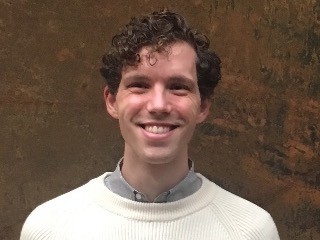
Koen Bolhuis, PhD
Postdoctoral research fellow and Resident in training
Koen Bolhuis is resident in training at the department of Psychiatry, Amsterdam UMC. He is also a post-doc researcher at the department of Child and Adolescent Psychiatry/Psychology of the Erasmus Medical Centre Rotterdam, where he obtained his PhD with honours (cum laude) in 2019. His thesis was titled “On Psychotic Phenomena and Unruliness: studies on the Child Risk for Severe Mental Illness”. Is his research, he focuses on early risk and neurodevelopment of mental health problems using large population-based cohorts in collaboration with the Generation R Study, Royal College of Surgeons in Ireland and Karolinska Institutet in Stockholm. Furthermore, Koen volunteers for Dokters van de Wereld, an NGO aiming to improve access to (mental) health care for undocumented migrants and he is a board member for De Jonge Psychiater, a platform for Dutch psychiatrists and residents. In the inDEPTH lab, Koen’s work focuses on examining gene-environment interplay on mental health as well as identifying neural correlates of externalizing problems, in collaboration with the ENIGMA consortium.
Contact: koen.bolhuis (at) amsterdamumc.nl
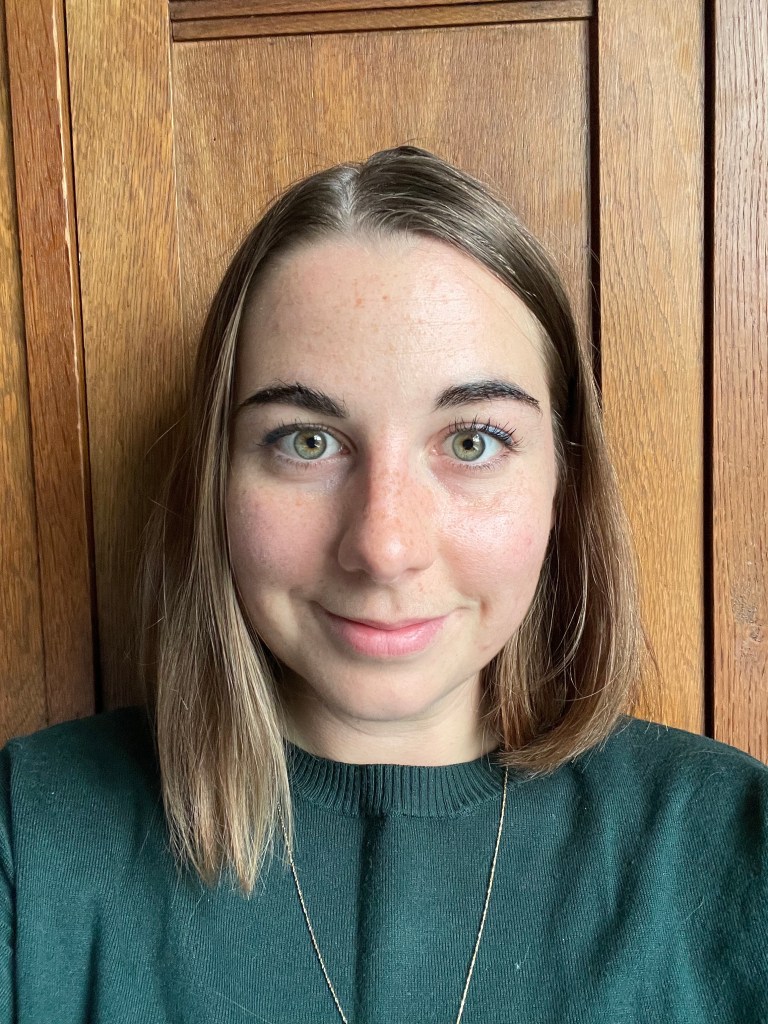
Marie-Pier Larose, Ph.D.
Visiting postdoctoral research fellow
Marie-Pier works as a postdoctoral researcher and is interested in identifying which preventive interventions and policies have the greatest potential to buffer social inequalities. Marie-Pier holds a Ph.D. in Public Health from the Université de Montréal (Canada). During her PhD, she investigated for whom childcare attendance was the most beneficial and by which developmental mechanisms these associations unfold (i.e., increase in cognitive abilities, lower levels of externalizing behaviors, lower levels of stress [measured with cortisol]). Her current research examines gene-environment interplay in the etiology of conduct problems. For this, she examines the developmental mechanisms between higher-order polygenic predisposition and later mental health symptomatology and academic achievement. Marie-Pier uses data from the Generation R longitudinal study at the Erasmus MC, the Avon Longitudinal Study of Parents and Children as well as Challenge Longitudinal Study at the University of Turku (Finland). Her post-doctoral fellowship is funded by the Quebec Research Health Fund (Canada).
Contact: mplaro (at) utu.fi
PhD candidates
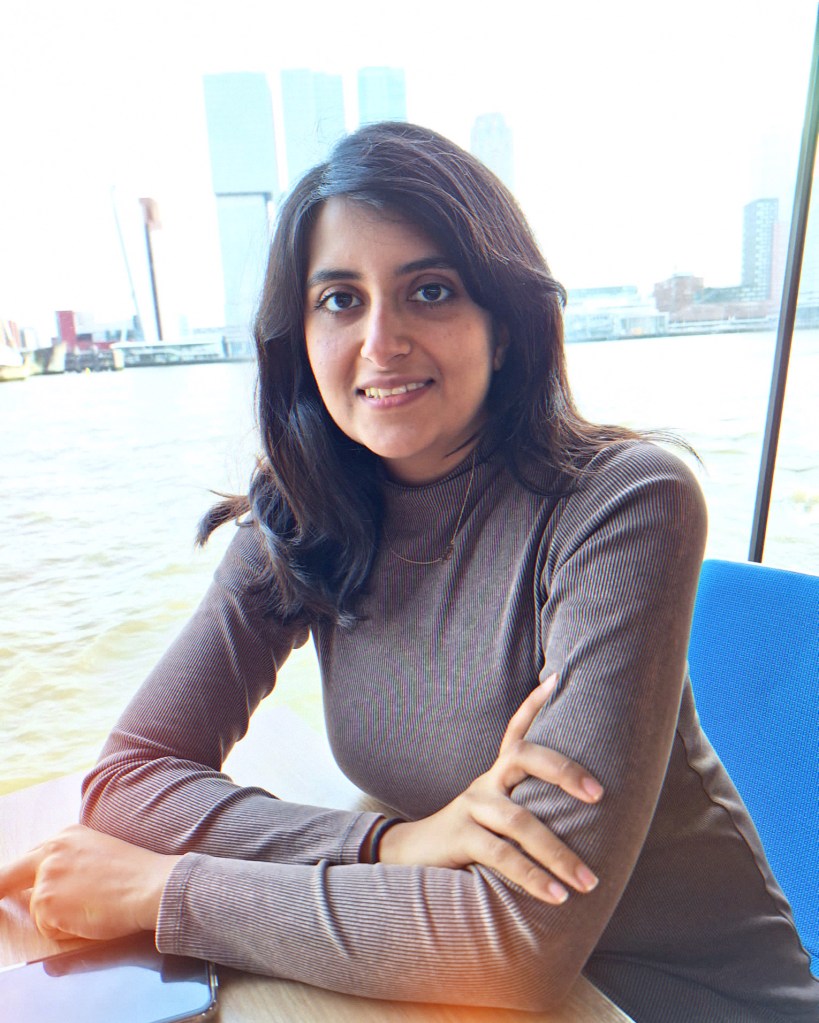
Mina Shahisavandi, Pharm.D, MSc
Doctoral candidate
Mina is a PhD candidate at department of Child and Adolescent Psychiatry of Erasmus MC. She obtained her Pharm.D degree at Shiraz University of Medical Sciences, Iran. Afterward, she worked for a year as a research assistant at the Epilepsy Research Center, where she involved in projects to understand psychiatric comorbidities in patients with epilepsy . After her experience at the Epilepsy Research Center, Mina became intrigued by epidemiology and methodology, prompting her decision to pursue a master’s degree in Health Sciences at the Netherlands Institute for Health Sciences, Erasmus MC.
During her master’s program, Mina became a scientific researcher in the Molecular and Genetic Epidemiology Group within the Department of Epidemiology. There, she gained invaluable experience working with metabolomics platforms (specifically Nightingale and Metabolon) in conjunction with genomics data from the Rotterdam Study. Her work involved conducting multiple Genome-Wide Association Studies (GWAS) within the CHARGE Consortium.
With a strong foundation in molecular and genomic epidemiology, Mina’s primary interest lies in understanding the underlying mechanisms of psychiatric disorders. Her current Ph.D. project focuses on elucidating how maternal prenatal depression impacts child mental health and the transmission risk of this disorder.
Contact: m.shahisavandi (at) erasmusmc.nl
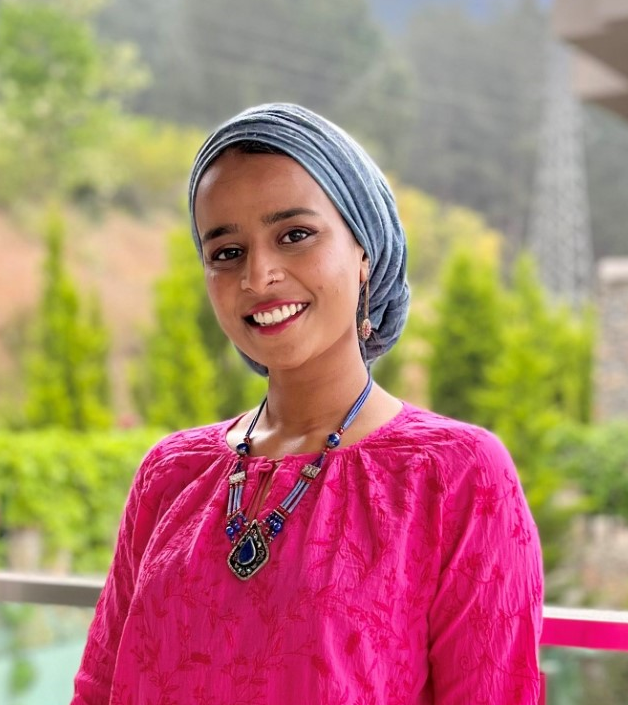
Mahnoor Sulaiman, MSc
Doctoral candidate
Mahnoor is a PhD candidate at the Department of Child and Adolescent Psychiatry of Erasmus MC, as well as an external PhD candidate at the Biomedical Data Science Department of LUMC. She is actively involved in a collaborative project called TEMPO, which utilizes data from multiple large-scale birth cohorts, including the Dutch Twinlife study and the Danish National Birth Cohort, to examine epigenetic timing effects on child mental health. For her PhD, Mahnoor will leverage this data to better understand the role of tissue and cell-type in these timing effects. Mahnoor earned her undergraduate and master’s degrees in Molecular Biology and Genetics from Bilkent University. During her time as a graduate researcher, she delved into cancer research, specifically focusing on signal transduction in the PI3K pathway, and gained valuable experience in analyzing high-throughput mass spectrometry phosphoproteomic data. Driven by her passion for epigenetics and neuroscience, Mahnoor made a conscious decision to shift her research focus for her PhD. She found a perfect opportunity by joining the TEMPO project and becoming a part of the Twinlife study. This endeavour brings together her interests in neuroscience, epigenetics, and epidemiology, allowing her to explore the intricate interplay between these fields.
Contact: m.sulaiman (at) erasmusmc.nl
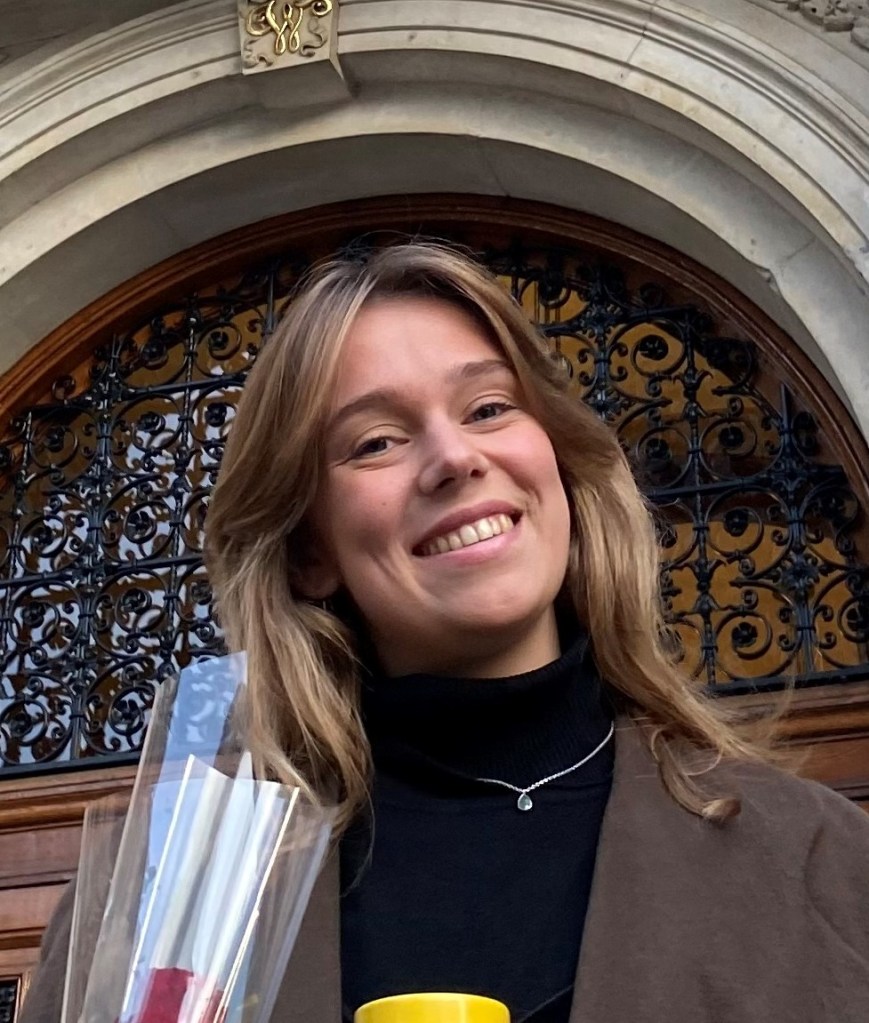
Jana Hermans, MSc
Doctoral candidate
Jana is a PhD candidate with the HappyMums consortium at the Department of Child and Adolescent Psychiatry of the Erasmus MC. She obtained her BSc in Liberal Arts & Sciences at Amsterdam University College, graduated from Utrecht University with an MSc in Neuroscience and Cognition, and conducted research abroad at the University of Cambridge. She is passionate about neuroimaging research into psychiatric illnesses, specifically mood and psychotic disorders. Her doctoral research focuses on how to better understand the influence of maternal depression on children’s long-term neurodevelopment, behaviour and mental health. As part of her PhD, she is also completing a second MSc in Epidemiology. She is excited to learn more about population-based research and working with large datasets.
Contact: j.hermans (at) erasmusmc.nl

Tim Finke, MSc
Doctoral candidate
Tim is a PhD student at the Department of Child and Adolescent Psychiatry/Psychology. He received a Master’s degree in Genes in Behaviour and Health at the Vrije Universiteit of Amsterdam, where he gained experience working with twin data, performing multi-omics analyses, and programming in R, Python and Unix/Linux. His desire to analyse genetic and environmental influences on behaviour in a context of mental health, led him to our department. During his PhD, Tim will study the role of epigenetic mechanisms in the intergenerational transmission of psychiatric risk from parents to offspring, including the characterization of circulating miRNA profiles in the general paediatric population, the genetic and environmental influences on miRNA profiles, and the role of miRNA as a potential marker versus as a mechanism of intergenerational transmission.
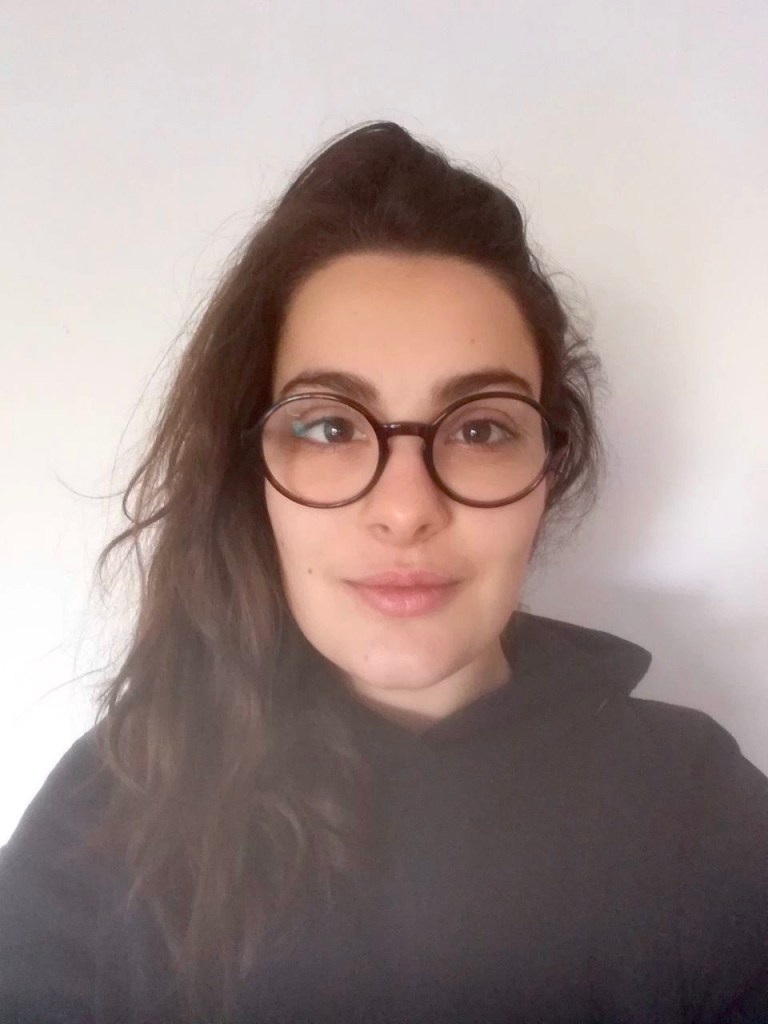
Serena Defina, MSc
Doctoral candidate
Serena is a PhD student at the Department of Child and Adolescent Psychiatry of Erasmus MC. Along her BSc in Psychology and MScR in Cognitive Neuroscience, she gained some experience in neuroimaging (EEG, fMRI) data collection and analysis and advanced behavioral modeling. Her current research focuses on the role of early-life stress in the development of multimorbid cardiometabolic problems and depressive symptoms. She is also completing her training with a second MSc in (Genetic and Molecular) Epidemiology. Serena is especially passionate about understanding the mechanisms through which mind and body interact in shaping a person’s health, including neurodevelopmental, behavioral and biological influences. She is also excited about new developments in AI-based tools for data mining as well as open science initiatives.
Contact: s.defina (at) erasmusmc.nl
Students
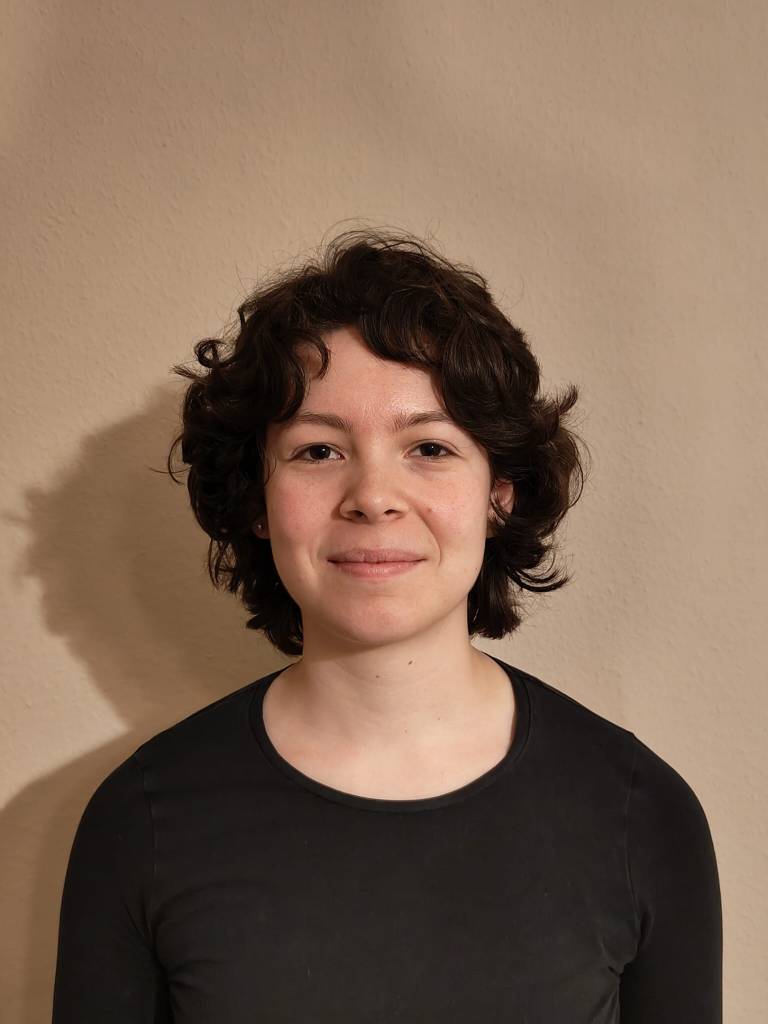
Elena Galeotafiore, BSc
Visiting MSc student
Elena is currently a master student in the program Health Sciences at Erasmus MC. She plans to continue her education with a master’s degree in medicine. Elena previously obtained her BSc in Liberal Arts and Sciences with major in pre-med at Erasmus University College. Since her bachelor’s she has been interested in the effects of early life stress on health during adulthood. In particular, during her stay in the lab she would like to investigate how epigenetic changes are related to psychiatric conditions such as depression and anxiety. During her research she also hopes to gain more knowledge on statistical methods and software.
Alumni

Kristina Salontaji, PhD
Former PhD student in the lab (2021-2025)
Kristina completed her PhD at the Department of Child and Adolescent Psychiatry at Erasmus MC. She is fascinated by the process of aging wants to make use of bioinformatics to contribute to our understanding of how we can live longer and healthier lives. In her research, she examined how biological clocks trained on different data types, spanning epigenetics, brain and pubertal timing associate with exposure to early life stress and the development of psychopathology later in life.
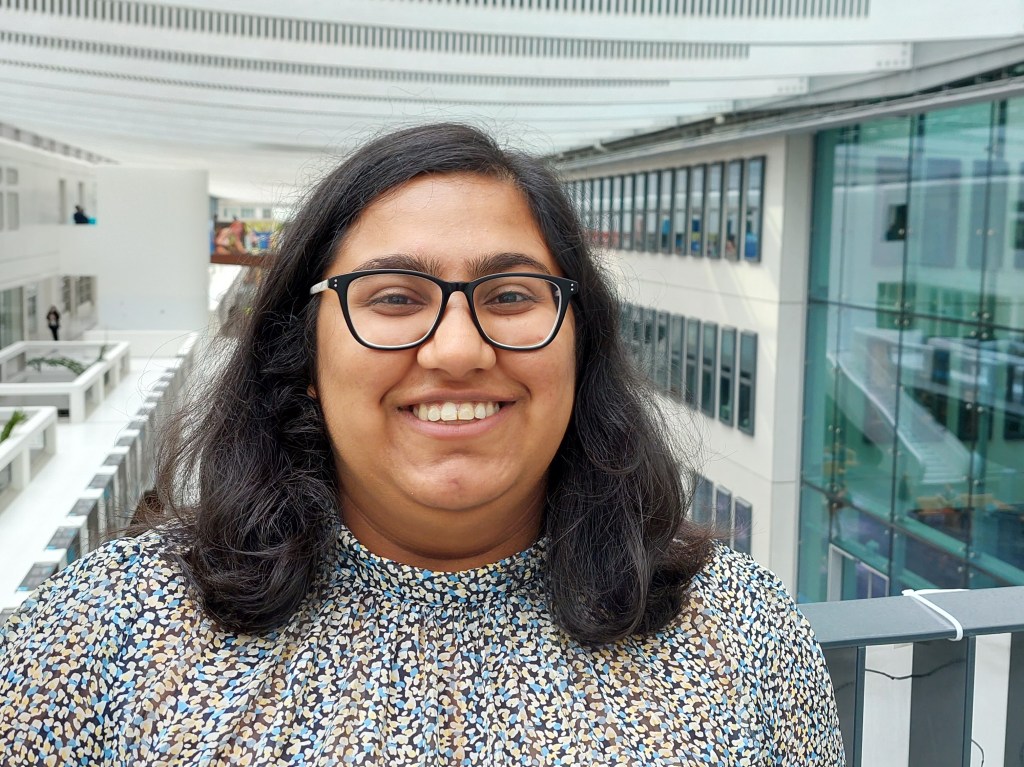
Anna Suleri, PhD
Former PhD student in the lab (2021-2025)
Anna completed her PhD at the Department of Child and Adolescent Psychiatry at Erasmus MC, where she examined the involvement of the immune system in brain and mental health development using Generation R data. Specifically, she investigated how activation of the mother’s immune system during the prenatal period influences epigenetic patterns, brain development and behavior in the child.

Nicole Creasey, MA (Cantab) MSc PhD
Former postdoctoral research fellow in the lab (2023-2024)
Nicole worked as a postdoctoral researcher investigating the role of DNA methylation in the intergenerational transmission of mental health problems. She examined how genetics and early life experiences interact to shape the epigenome and influence both risk and resilience for mental health problems.
Isabel de Graaf, BSc
Former visiting student in the lab (2022)
Isabel did her research internship at the Generation R Study where she conducted semi-structured clinical interviews (K-SADS and SCIL) with 17/18 years old participants. For her dissertation research she analysed data of the Generation R study, to see whether cognitive executive function in childhood will predict aggression in early adolescence. Her research interests lie in identifying individuals that are prone to engage in delinquent behaviour. In the future she would like to become an investigative psychologist or conduct research commissioned by the Dutch National Police.
Jolien Rijlaarsdam, PhD
Former postdoctoral research fellow in the lab (2018-2021) and NWO Veni grantee
Jolien was part of the team as a postdoctoral researcher at the Department of Child and Adolescent Psychiatry/Psychology, Erasmus MC. In her PhD she examined integrative developmental models of child mental health problems, incorporating socio-economic status, the observed home environment, parental mental health, and parenting. During her time in the lab she worked on her NWO/ZonMW (Veni) funded project to investigate the associations between cumulative risk exposure, genome-wide DNA methylation and the general psychopathology factor.
Sara Sammallahti, PhD
Former Postdoctoral research fellow and Marie Sklodowska-Curie awardee (2019-2021)
Sara is a psychologist and medical doctor who received her PhD from the University of Helsinki, Finland in 2018. After a one-year post-doctoral fellowship split between Erasmus MC, Netherlands and Harvard T.H. Chan School of Public Health, US, she received a LeadingFellows grant through the EU Marie Skłodowska-Curie COFUND Programme, and now works as a postdoctoral researcher at Erasmus MC. Her work focuses on early environmental exposures and maternal health in relation to offspring neurodevelopment. Within the Pregnancy and Childhood Epigenetics (PACE) consortium, she is coordinating multiple epigenome-wide association studies relating to maternal stress and child health.
Elize Verhoeff-Koopman, PhD
Former PhD student in the lab (2018-2020)
Elize is a clinical child psychologist in training at Leiden University, the Netherlands. She received her PhD in child and adolescent psychiatry from the Erasmus Medical Center, Rotterdam, The Netherlands using the Generation R data. There, she examined the bidirectional association of sleep and mental health in children and the role of bedtime and family routines. As part of her PhD, she spent 10 months as a Fulbright scholar at the Bradley Sleep Lab of Brown University, Providence, RI, where she worked on sleep and developmental disorders, such as Autism and ADHD in children. In the inDEPTH lab Elize’s work focuses on assessing the relationships between childhood sleep, mental health and DNA methylation.

Chiara Caserini, MSc
Former visiting student in the lab (2020)
Chiara obtained an MSc course in Clinical Psychology of Developmental Age at Sigmund Freud University, Faculty of Psychology, in Milan (Italy). During this time, she worked for seven months as research intern at the Department of Child and Adolescence Psychiatry/Psychology, Erasmus MC, within the inDEPTH lab. Here, she examined the link between DNA methylation and the general psychopathology factor in childhood, using data from Generation R Study, in a project co-supervised by Jolien Rijaarsdam and Charlotte Cecil. She is currently working at King’s College University as a research intern at the Institute of Psychiatry, Psychology & Neuroscience, in the Developmental Psychopathology Lab. Her research now focuses on the relationship between polygenic risk for inflammation and depression in adolescence, considering the moderating influence of life style. Research Interests: psychiatric genetic, psychiatric epigenetic, psychopathology of developmental age, nutritional psychiatry.

 inDEPTH lab